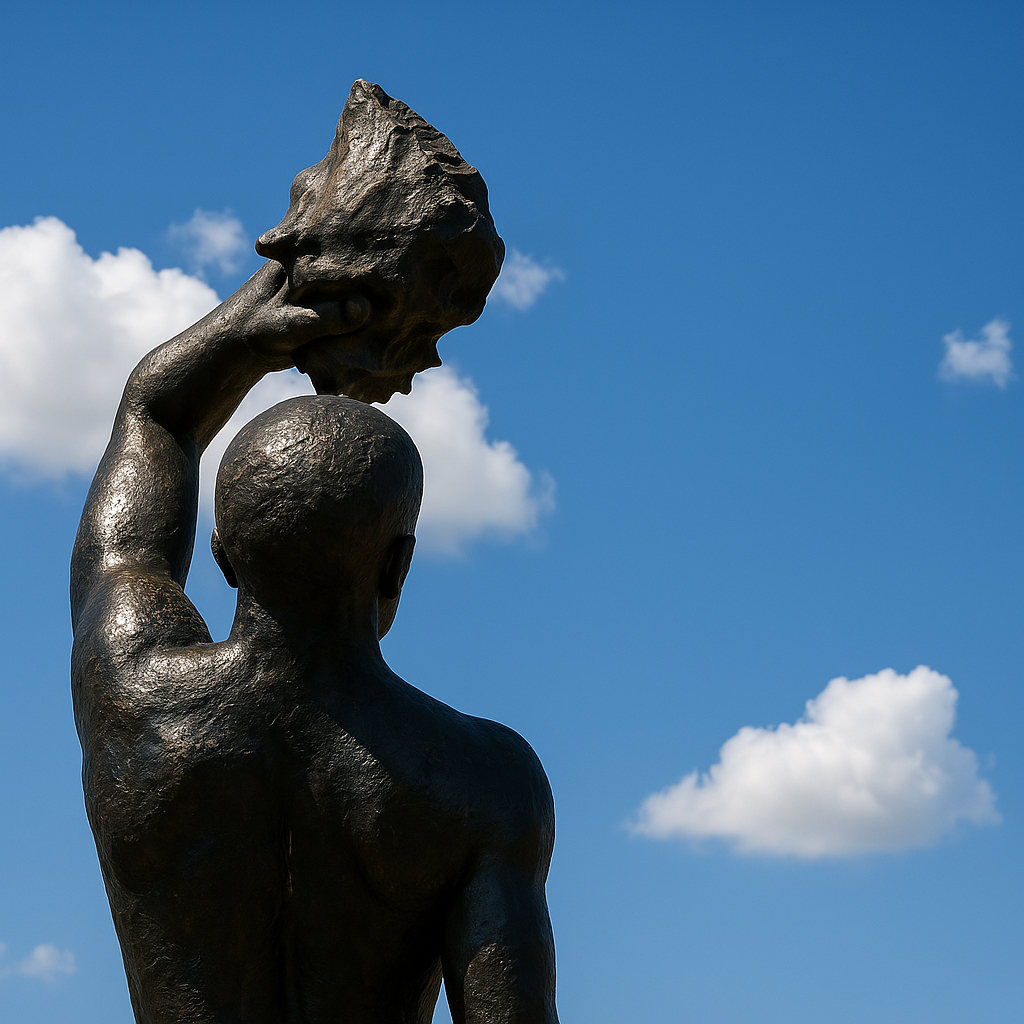
The Maroons
Driven by an unrelenting desire for freedom, enslaved men risked everything to escape the brutality of slavery, seeking refuge and autonomy in Haiti’s mountainous interior. Many brought with them the revered skills of master distillers, knowledge rooted in African traditions. These same talents were once exploited—used to produce spirits solely for their enslavers’ indulgence, while the artisans themselves were barred from tasting their own craft.
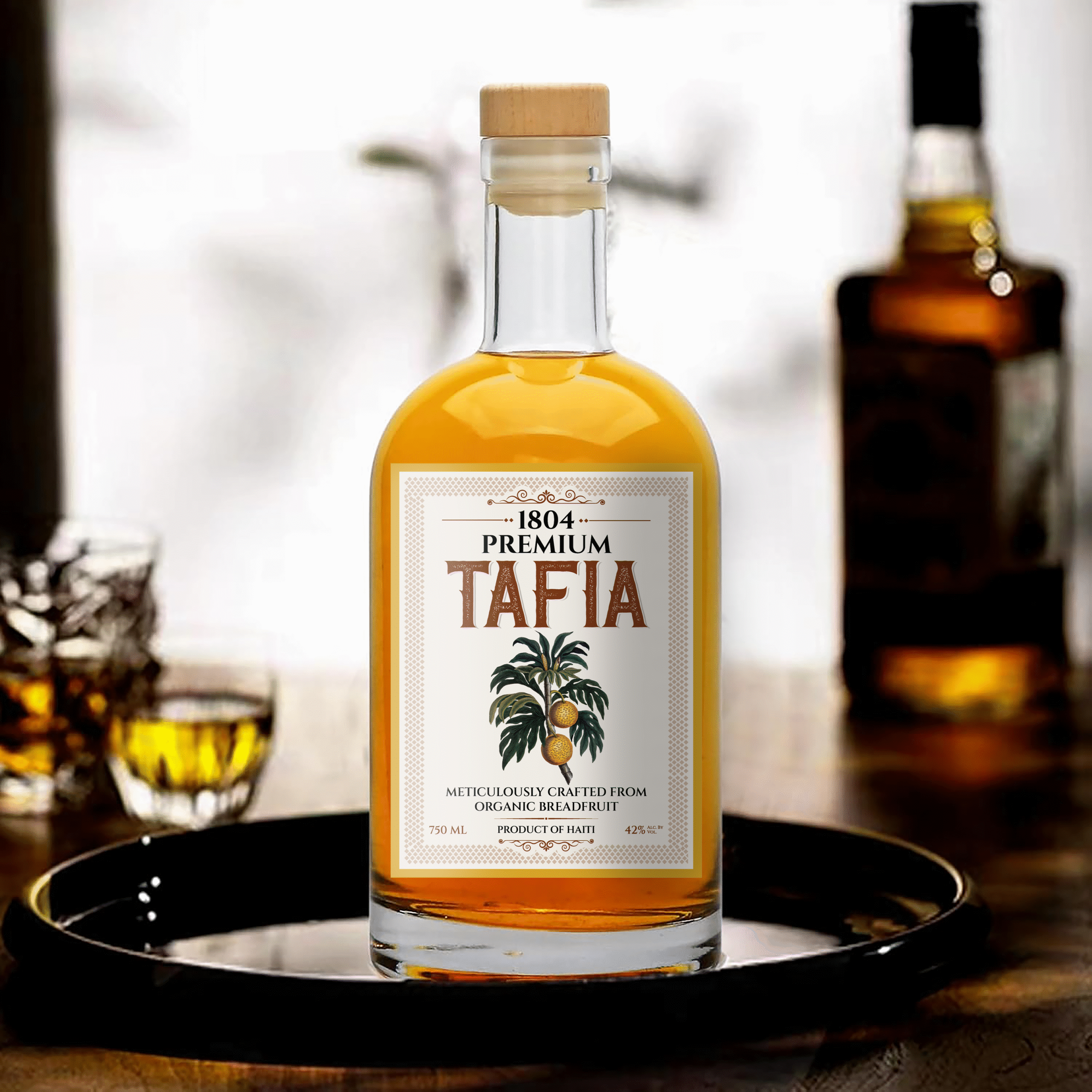
Within the safety of maroon communities, now liberated from bondage, these distillers reclaimed their expertise. Harnessing their deep knowledge and the abundant breadfruit, they transformed the fruit into a powerful spirit they named TAFIA. This creation embodied their resilience and freedom—repurposing skills once used against them into a symbol of cultural pride and self-determination.
Bwa Kayiman
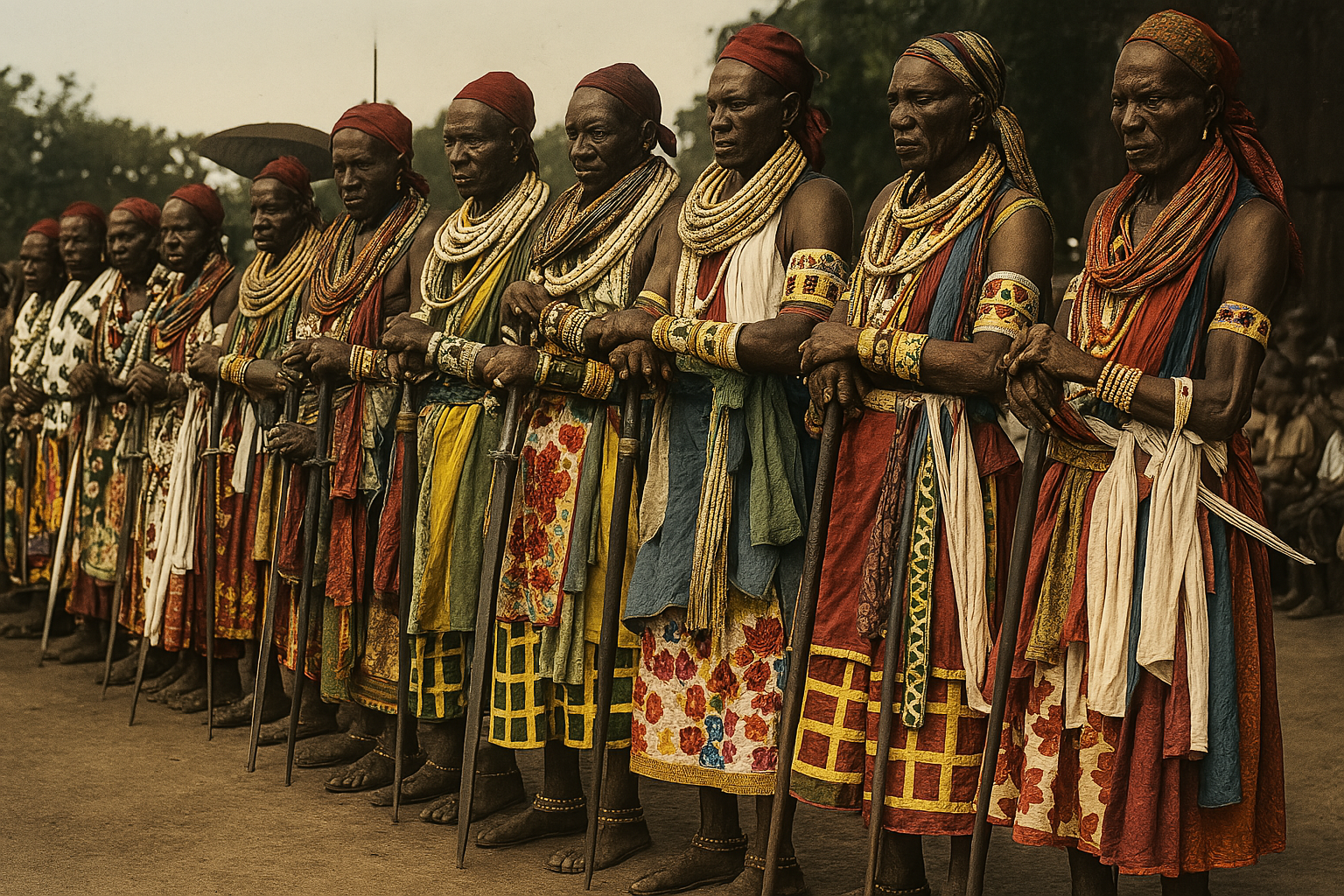
The ceremony of Bwa Kayiman stands as one of the most profound and transformative moments in world history—a spark that ignited a revolution and reshaped the course of human freedom. On that fateful night in 1791, under the cloak of darkness and the watchful eyes of the ancestors, courageous men and women gathered deep within the forest, encircling a sacred fire. Bound by shared suffering and a burning desire for liberation, they vowed to rise against the brutal yoke of slavery and fight for a future rooted in justice, dignity, and equality.
Their gathering was not merely political—it was spiritual, cultural, and deeply ancestral. Prayers were spoken, oaths taken, and visions for a free nation summoned into being. The air was thick with purpose and power. As is often the case in moments of communion and collective will, a drink of TAFIA—bold and unfiltered—was passed hand to hand. This potent spirit, crafted with care and reverence, was more than a libation; it was an offering to the ancestors and a symbol of solidarity among those present.
With each sip, they honored the bloodlines that came before them and steeled themselves for the battles ahead. The ritual of sharing TAFIA became a quiet but mighty act—binding them not only to each other but to the long arc of resistance and self-determination that would come to define the Haitian Revolution and inspire oppressed peoples around the globe.
TAFIA Today
Contemporary Haitian society widely embraces TAFIA as its quintessential spirit, a cultural touchstone deeply resonant with the nation’s storied past. This remarkable beverage boasts a lineage stretching back centuries, its production interwoven with African distilling techniques and traditions that possess roots extending millennia into the continent’s rich history. Steeped in both historical significance and enduring cultural practices, the refined TAFIA spirits of today are meticulously crafted from the versatile breadfruit, often adhering to standards that surpass the most rigorous global benchmarks for quality and purity. In each carefully distilled drop, TAFIA embodies the indomitable spirit and ancestral legacy of the Haitian people, while simultaneously showcasing the innovative ingenuity and exceptional craftsmanship of its contemporary artisans. It serves as a potent liquid narrative, connecting generations through a shared heritage and a testament to the enduring spirit of a nation.
“Tafia is a mythical product which forms part of Haiti’s heritage. We have a duty to protect it so that our children can, in turn, perpetuate this unique Spirit.”